Animal Games
See the level from an animal’s point of view
A crumb looks small until an ant has to carry it home. A beehive looks like part of the scenery until a dog is sitting underneath it. In Pokiy’s Animal tag, the character often determines which details in the scene matter. Choose a game by the job it gives the animal, or by the job it gives you on the animal’s behalf. The rules might ask you to find a route and revisit it, or make one drawing that has to hold up once the rest of the level starts moving.
Bring one crumb back to the anthill
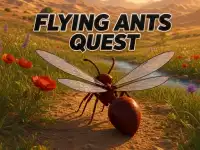
Flying Ants Quest describes a single-player adventure where you carry crumbs home one at a time before the clock runs out. On an early trip, find something you can recognize along the route. It may be easier to remember how you reached the crumb if you can describe what you passed on the way. Once you pick it up, see how quickly you can spot the direction back to the anthill. The return is part of the job, so a crumb that seems inviting from home is only useful if you can make the whole trip.
Use a second run to find out whether a familiar area gives you a more reliable route. Try going far enough to see where the path turns or disappears behind an object. Then take note of what would help you find that point from the other side. A small feature on the ground can be a better reference than an object you can only see when you approach it directly. This is also a way to enjoy the setting without moving across the whole map just to find out what is there.
Leave room for the drawing to settle
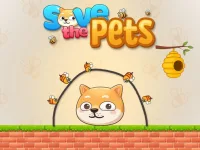
Save the Pets describes a drawing puzzle about protecting a shiba from bees. Before drawing, locate the hive, the dog and the surfaces a line could rest against. A short line and a long line may both cover the dog in the instant you finish drawing. What happens next can be quite different. Watch whether the line stays where you drew it or shifts when the scene starts to move. That tells you which part of the level should guide your next attempt.
If another player is nearby, ask them to describe a possible shape before either person draws it. One of you might think of making a roof, while the other notices a place where an edge could rest. Try one idea and compare what happens to the ends of the line. Even an unsuccessful drawing shows which part moved first. Use that detail when you decide where to begin the next stroke.
Follow the part of the job you enjoyed
Explore Adventure for more settings to get to know by moving through them. Try Puzzle if you liked studying a scene before making a change. You can also choose another animal game and see how a different creature changes your sense of what counts as a useful move.