Stickman Games
Read movement from a simple silhouette
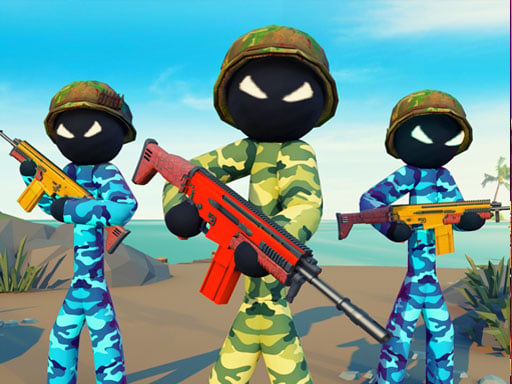
Stickman Games on Pokiy makes a virtue of figures you can recognize at a glance. A few lines can show whether a character is leaning, reaching or about to move. That makes the collection a useful place to browse when you want the motion to be the main event. Look for a card that makes the character's next action easy to imagine. Then open the page and check what the controls actually let you do. Games with very similar drawings can ask you to use those movements for entirely different jobs.
Try the difference between a duel and a defense
The page for Stickman Skybow describes a 2D archery game with Duel and Defense modes. The action follows a visible sequence of drawing, aiming and releasing. This is an example of a game where you can compare how a familiar control feels when the setting changes. Try to identify what you pay attention to first in each mode. A duel may make the figure opposite you seem like the most important part of the screen, while a defense challenge can make the layout or the next event compete for your attention.
On an early round, see how clearly the game shows that you are ready to release. Then watch what happens immediately after the shot. A change of floor or a distinct opponent can give you a reason to check whether the same approach still makes sense. Pick one detail to remember from the last attempt. There is a practical difference between knowing you meant to release earlier and knowing you were looking at the wrong place when you released.
Let the character show what the rules are doing
Simple figures make a good subject for experiments about motion. If a character responds in a way you did not expect, repeat a smaller version of the movement where you can see the whole result. Notice whether the important clue is the angle of the body, its position relative to the floor or the moment an animation changes. Once you learn where to look, a busy screen can become easier to read without any change to the number of things happening in it.
If another person is watching, ask them to describe the movement without naming the controls. They might say the figure leaned to one side before moving or that it was still in the air when you chose the next action. Those descriptions are useful because they point to something you can watch on a replay. Swap turns if you want to see how it feels to make the movement after observing it from the outside.
Follow the movement into another game
Browse Fighting Games if you enjoy watching the moment another figure commits to a move. Open Arcade Games to look for the same readable action in a platforming or timing challenge. The drawing style can help you spot something familiar, while the next game's rules give you a reason to pay attention again.