2D Games
Read the action in two dimensions
In a 2D game, the distance between two objects is often right there on the screen. You can study it before moving or watch it shrink while the action is underway. The 2D tag on Pokiy includes stories, sports and puzzles, so a flat view can serve quite different purposes. In one game it helps you judge a landing. In another it gives you an illustration to inspect. Choose a title by the kind of attention it asks for, rather than assuming that every game viewed from the side will feel the same.
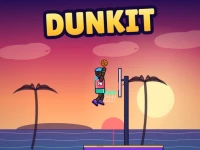
Watch the meeting point in DunkIt
DunkIt describes thirty-five arcade basketball levels with trampolines, moving balls and obstacles. A side view gives you a chance to see where the player and ball could meet, even when they start some distance apart. Pick an early attempt and watch the ball through one movement before deciding what to do. Then look at the space the character needs to cross. If you can see both paths, you can imagine where they will come together rather than aiming for where the ball was a moment ago.
A trampoline adds another visible event to the sequence. Notice where the jump starts and how much horizontal movement follows the bounce. When an attempt goes wrong, separate the timing of leaving the surface from the position you reached afterward. The ball can be in a good place while the character is still coming from the wrong direction. A small adjustment to your approach could be more useful than changing the movement you tried at the very end.
Slow down for a picture built from pixels
Try Pattern Mover if you want to use the same kind of view without chasing anything. Its description presents a finished pixel illustration and colored tiles. Look for a place in the reference where two colors meet along a recognizable edge. Following that line gives you a way to decide which parts of the picture belong next to each other. An isolated tile can be ambiguous, but a little group may become obvious when you compare its outline with the reference.
A flat composition also makes it easier to see connections between distant areas. A color that appears near the top may return near the bottom, for example. If both patches look nearly alike, study how each touches the surrounding colors. Starting from a corner with a distinctive neighbor can save a long search through several similar spaces. You can use the same visual habit when judging a platform or a moving obstacle: find the detail that tells you exactly which position you are looking at.
Carry one useful cue into a different game
Explore Sports Games for more opportunities to compare movement with a fixed target. Browse Puzzle if you prefer to study the arrangement before acting. In either case, notice what the view makes easy to see and use that detail to choose your opening move. Then check whether the next move depends on the same information.