Aircraft Games
Choose a reason to get airborne
The aircraft on this page have very different places to be. A firefighting crew must get from water to a fire. A stunt pilot might cross the same stretch of sky twice to make a better approach to a ring. A distance challenge can send you back to the hangar to see what a new plane will do. Before choosing a game, decide whether you want to roam, complete a specific job, or make your next flight measurably better. The sky can feel wide open in any of them, but the objective changes where you will want to look.
Make the return trip part of the job
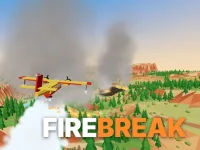
Firebreak puts you in a firefighting aircraft that collects water from lakes and rivers and drops it over wildfires. The trip to refill is part of the mission. Once you have water aboard, look at where you need to go next and leave yourself room to line up the drop. If your first pass takes you too far to one side, watch the route you used and pick a point you can recognize on a second approach. When the fire draws your eye, having a landmark to steer toward can make the next run easier to read.
Learn a stunt route by flying it twice
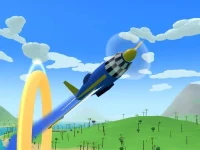
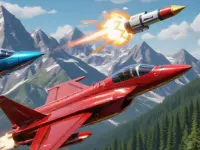
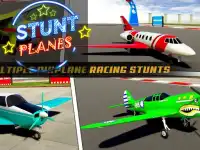
In Sky Ace Stunt Plane Islands, a bright plane can fly over palm islands, snowy peaks, a canyon, and a city at sunset. Glowing rings give you somewhere to aim while you get used to moving around. When you come to a ring from a difficult direction, fly past it and look at it from farther out. You may see room for a wider turn that was hard to judge up close. Once you have made a clean pass through one ring, look at where it leaves you facing. That can be the start of a route through the scenery instead of a series of separate targets.
Compare two flights from the same start
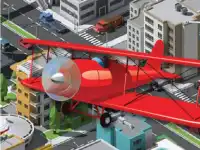
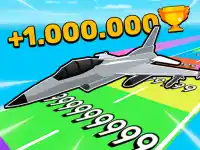
Obby Fly the Farthest in an Airplane measures how far you can go and offers planes to buy, aerial trails to unlock, and energy to collect. Get a feel for your starting plane before deciding what to try next. Remember roughly where a run ends and whether you managed to collect energy along the way. When you change planes, go back out and see whether that familiar part of the flight feels different. The distance gives you a simple way to compare attempts even if you only have time for a couple of runs.
Look beyond the first obstacle
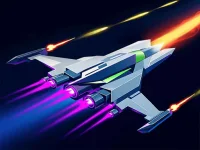
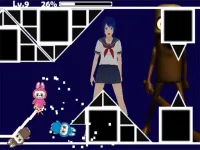
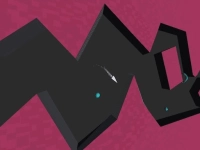
Wavytrip concentrates on getting a plane past successive obstacles. Once you have identified the opening in front of you, look at where you need to be after it. A movement that barely clears the current obstacle can leave you making a much sharper correction for the next one. Try taking two openings as a pair and see whether a smaller adjustment gets you through both. Pick this one when you feel like working on timing in short attempts and seeing the result immediately.