Baby Games
Look for a small task in a familiar setting
The Baby tag on Pokiy brings together games with baby characters and related settings. The label describes a theme. The actual activity can involve caring for a character, arranging a space or following a sequence of little tasks. Read the game page to see what the player will need to do before opening it. Two games with similar pictures can ask for different amounts of reading, attention or quick movement. If you are choosing for somebody else, try the opening together and see whether the first instruction is easy to understand.
Begin with the part of the room you recognize
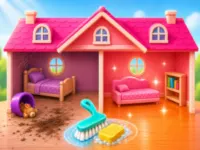
Tidy Up the Dollhouse appears here as an option for players interested in a household setting. When you approach a game about organizing a small space, look for something whose place seems clear. An object with an obvious purpose gives you a way to test what the game accepts. Once you understand how the screen responds, you can look at a group of pieces and think about which ones belong together. A room can become easier to read one detail at a time.
If a scene feels busy, choose an area of the screen before choosing an item. Imagine what that part of the room is for. Thinking about its purpose can be more useful than trying every available place for a piece. If the game expects one specific answer, use its response to learn how exact the positions need to be. If it allows several arrangements, try making the same area look different with a new order. The first few objects can tell you which kind of experience you have opened.
See whether you like a care routine
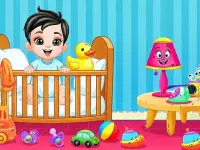
Another game listed on this tag is Baby Daycare Game. A daycare theme offers a different starting point from a dollhouse. You may be more interested in the order of tasks than in the appearance of a completed room. Look at which instruction the game gives first and how it shows that a task is finished. Some players enjoy a routine because each little action has a visible result. Others would rather choose their own next step. The game page and its opening can help you tell which kind of round you are about to have.
Take turns describing what changed
For a shared session, ask the person watching to say what moved, disappeared or appeared after an action. Let the player decide what to try in response. That keeps the observation useful without turning the whole round into a series of instructions. Swap roles after one task. If neither person can tell what the game expects, it is fine to try a different title with a clearer opening and a slower pace.
Visit Puzzles if you enjoyed arranging objects and want another scene to examine. The Kids tag gives you a wider selection when the theme matters less than finding a round that is simple to start and easy to share.