Hypercasual Games
Pick a simple action you want to repeat
Pokiy’s Hypercasual tag is useful when you want to spend most of a short break playing rather than learning a long list of controls. Still, the games can ask for different kinds of attention. One might give you colored objects to organize while another sends you down a slide with only seconds to read the next turn. Look at the first task on the game page. Ask whether you want to stop and think between moves or stay with a scene that changes while you decide. Either can be an easy game to begin without feeling quite the same once it gets going.
Start with a group you understand
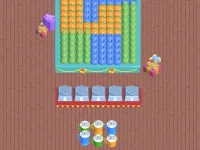
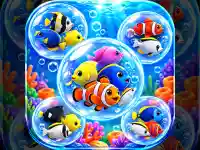
Juice Blender 3D describes a fruit-sorting puzzle. At the beginning, look for a group you can recognize even if the pieces are mixed together. A distinctive shape or color gives you something to track while you learn the controls. Try one move to see what changes on the board. Before making the next one, check which places are still free and which objects have become easier to reach. Once you know how to read that change, you can spend more of your attention on choosing a useful move.
It can help to give your first few moves a narrow purpose. Perhaps you want to see whether moving one piece out of the way makes a larger group easier to handle. Look at the resulting arrangement before shifting anything else. If the new board gives you a clearer choice, follow it. If you seem to have traded one awkward spot for another, see which space mattered more than you expected. A short game can be satisfying when the result of a small experiment stays visible long enough to think about it.
See where a glide might end
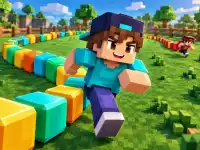
Splash Rush trades the sorting puzzle for water slides. Its game page describes racing rivals, collecting coins and using a glider to skip parts of a track. When the route gives you a chance to leave the slide, try to see your destination before you go. A shortcut can look attractive while the nearest part of the track is taking up most of the screen. Watch where the sections connect so you can decide whether the movement gives you a useful way back onto the course. The nearest landing may face away from the next turn.
Pick out one section that makes you want to try again. You might like the way a turn brings a different slide into view, or want to see how the same stretch feels when you skip a part of it. Keep a landmark in mind for your next attempt. A familiar point gives you enough context to compare the two approaches even if you only play for a few minutes.
Keep the short format and change the task
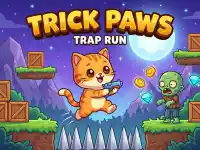
Try Casual for more brief projects or explore Run when you want a moving course. Choose the next game by the single action you would most enjoy doing again.