Interactive Games
Look for a game that lets you change the scene
On Pokiy’s Interactive tag, the fun often comes from seeing how one input changes what you can do next. A dice game can turn a group into a new piece. A race can let you add to the path before you travel along it. Those are different sorts of control, and the choice between them matters more than the word interactive on its own. Pick a title with a visible change you want to understand. Spend the opening round watching for it, then decide whether the game gives you enough room to explore the idea.
Make a cluster do something useful
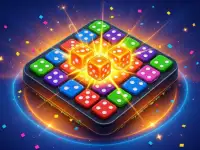
Dicecraft describes a board where you combine at least three dice showing the same number to create higher values. Begin by finding a number that already has several representatives in one area. You can look at where a group will fit, but it is also worth asking what the space around the result might be used for. If the group turns into a higher value far from its potential neighbors, the move may be less useful than you first thought. Give the result a job before you decide where to put the matching dice. A nearby group can give you a useful target.
Use a short attempt to learn what the board retains. Look at where the combined piece appears and which nearby spaces stay available. If you are unsure about a rule, choose the simplest group you can see and watch exactly what happens to it. Then try applying the result to a more crowded part of the board. This keeps the next move grounded in something you just observed, rather than in what you expect another matching game to do.
Collect pieces for a route you choose yourself
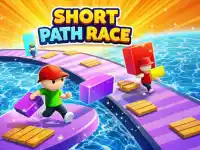
Short Path Race brings a quicker example to the same tag. The game page describes a narrow track surrounded by water and tiles you collect as you run. Look for the point where a shortcut starts to look possible. Before leaving the obvious route, consider what you can see at the other end and how much of the crossing you need to create. An inviting gap can become a poor choice if you have not gathered enough material to finish it.
Try watching the location of the next tiles before deciding whether to use the ones you already have. Staying on the main track for another stretch may give you a better crossing later. On another run, choose an earlier chance and see what that changes about the approach. Think of each attempt as an experiment in how much of the path you want to build, rather than expecting every gap to have the same answer.
Find another useful kind of feedback
Go to Logic if you liked planning where a piece will end up. Explore Racing if you enjoyed deciding where to leave the main line. In either case, look for a first action you can repeat deliberately and compare its effects across two situations.