IPhone Games
Pick a game whose important details fit on a phone
When you have a phone and a short break, browse the iPhone tag on Pokiy for a game with a clear first move. The titles here cover quite different activities, so start by deciding what you want to see clearly on the screen. A design project might put the focus on one object in the middle. A block puzzle may ask you to consider both the pieces you can choose and the empty areas they could fill. Check the game page for instructions before starting, especially if you usually play with a mouse or keyboard.
Give a phone case a look you can recognize across the room
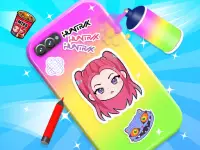
Phone Case DIY KPOP Fans is listed under this tag. Its theme suggests a design exercise you can try as you browse the game's available options. Start with a background that makes one decoration easy to see. If the decoration has a busy outline, leave a little room around it instead of adding another equally busy shape right beside it. A real phone case is often seen in motion or at an angle. Imagining that quick glance can help you decide whether your design has a clear feature that ties the rest together.
Try one version where the strongest detail sits near the top and another where the design draws your eye down toward a corner. Keep the rest simple while you compare them. You may find that the same colors seem livelier when the main shape moves. If you want to add a second accent, give it a different job. A small detail can echo the first without making the case look as if it has two competing centers. The project is complete when you can tell what you wanted the viewer to notice.
Leave enough room for the next piece
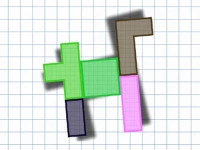
Ultimate Block Puzzle is another title in this listing. In a block puzzle, you can use the contours of the open spaces as clues. Before placing a piece, look at the shape of the space that would remain. A move that fills an obvious gap can feel satisfying now, yet leave several narrow spaces later. A less noticeable position may keep the remaining area easier to use. First look at the board as a whole, then pay attention to the spot where you actually need to make the move.
Notice when your hand gets in the way of a useful clue. If you need to see a corner while moving a piece, examine it before you start the gesture. An opening move gives you a chance to learn how the game shows a selection and confirms a placement. Once you understand that feedback, you can compare options with less uncertainty about the input itself.
Choose what to take into the next round
Try Design for more projects built around a recognizable look, or open Puzzle Games for another kind of board. The best next choice depends on whether you want to experiment with appearance or make the most of a limited space.